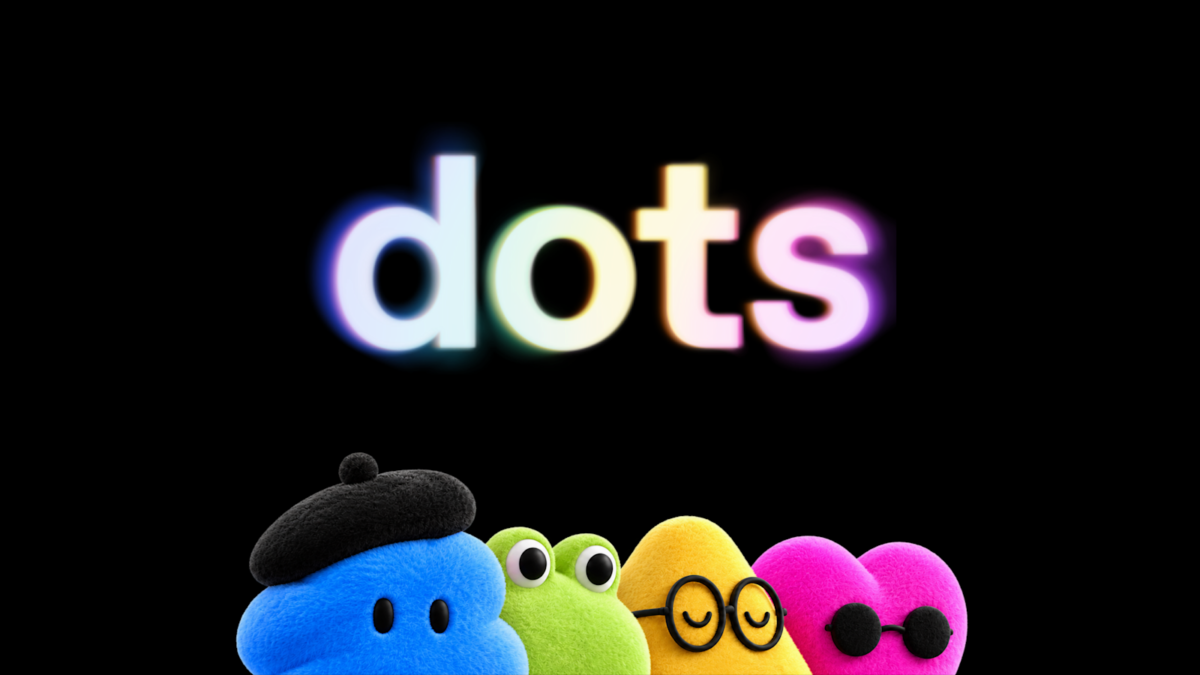
OpenAI is taking on Meta’s recently launched Muse with dots, a new class of persistent AI agents that can keep working between conversations using their own cloud computers.
Unveiled at OpenAI DevDay 2026 on September 29, dots run on GPT-6 Astra and can work across more than 4,000 apps through OpenAI’s plugin ecosystem. Users can give a dot ongoing responsibilities, let it work on several projects at once, and have it return with progress, questions, or completed work without requiring a new prompt for every step.
Dots take on Meta’s Muse
The launch comes three weeks after Meta introduced Muse. The two products follow a similar idea: both have dedicated cloud computers and browsers, can connect to other apps, remember information about the user, and proactively work toward longer-term goals.
Meta’s Muse can be reached through its own app or WhatsApp, while OpenAI says dots work through ChatGPT, Slack, and Microsoft Teams, with texting planned later.
Muse is currently rolling out only in the US and is free for most use, with paid plans available for people who need more. Dots, meanwhile, require an eligible OpenAI plan, but the rollout is much broader: OpenAI says they are reaching Pro users outside the European Economic Area, Switzerland, and the UK, as well as Business Premium users across supported ChatGPT regions.
The Philippines is on OpenAI’s supported-country list.
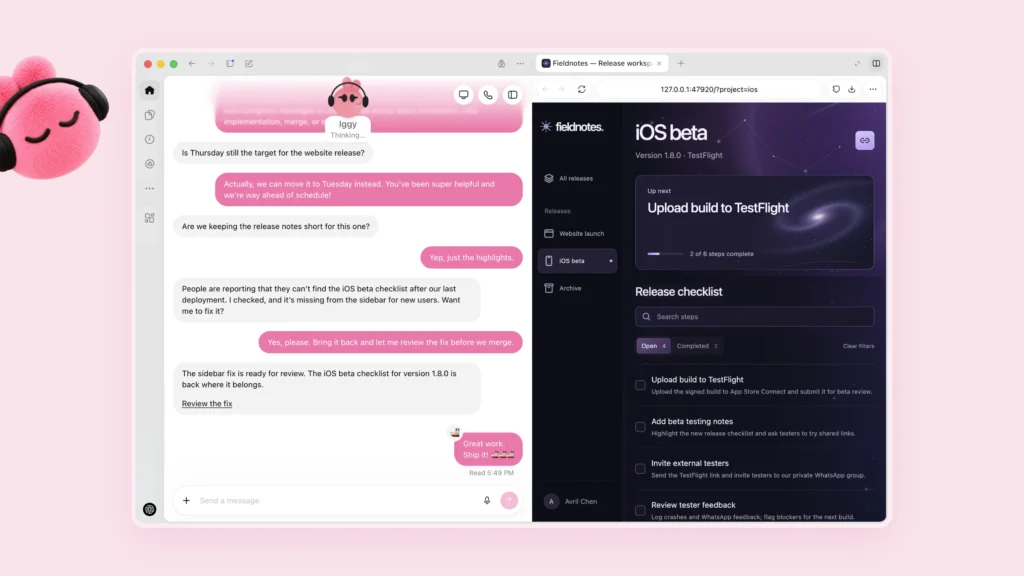
Access is gradual and may take several days to appear. OpenAI also says users can control what a dot is allowed to do, inspect its cloud computer, and decide when it should ask for approval. Its proactive background research is limited to read-only access when the user is not actively working with it.
GPT-6.1 Sol aims for Astra performance at lower cost
Dots were the headline product at a DevDay that included more than 20 announcements, but OpenAI also introduced a substantial model upgrade in GPT-6.1 Sol.
OpenAI positions GPT-6.1 Sol between its existing Sol model and the more capable GPT-6 Astra. The company says the new model approaches Astra-level performance on difficult coding, computer-use, and professional tasks while costing one-fifth as much as Astra at standard input and output token rates.

GPT-6.1 Sol is available to Plus, Pro, Business, Enterprise, and Edu users in ChatGPT Work and Codex, as well as through the OpenAI API. It is, however, not available in regular ChatGPT conversations at launch.
OpenAI paired the model with Ultrafast, a premium processing tier that can generate tokens up to eight times faster in Codex and up to six times faster through the API. GPT-6 Astra Ultrafast is available through the API and to Pro 500 and Enterprise users in ChatGPT Work and Codex, while GPT-6.1 Sol Ultrafast is coming soon.
DevDay expands Codex, agents, and collaboration
DevDay also expanded Codex. Developers can now run Codex in reusable cloud environments, use voice to steer tasks from the command line, and review code from the ChatGPT desktop app. Codex Security Cloud can scan GitHub repositories on demand or continuously, investigate findings, and prepare fixes even when the developer’s computer is offline.
The Agents API now supports computer use as well, allowing developers to build agents that interact directly with software. OpenAI is also bringing Codex capabilities including multi-agent work, tool calling, tool search, and context compaction into the API.
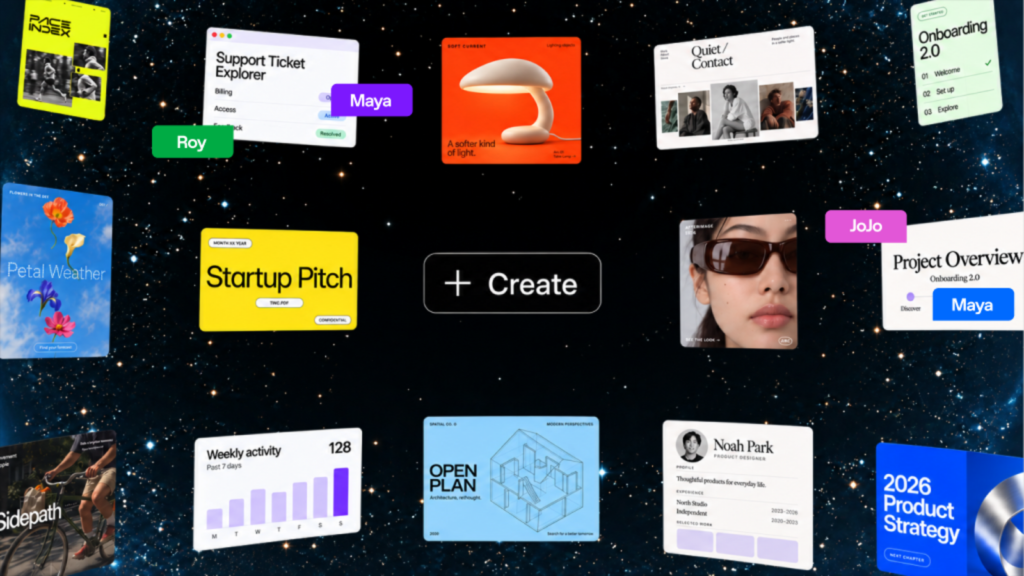
On the collaboration side, ChatGPT Space gives teams a shared workspace where people, ChatGPT, and dots can work from the same information. Pages adds collaborative AI documents, while collaborative slides will let multiple people and agents work on the same presentation and export it to PowerPoint or Google Slides.
OpenAI is also opening more of ChatGPT to outside developers. Plugin extensions can have their own sidebar homes and interactive interfaces, Sites can host plugins, and MCP events can trigger automations when something changes in a connected service. Sign in with ChatGPT lets users use their OpenAI identity with participating outside services, with plan usage available through some tools for Plus and Pro subscribers.
DevDay also brought a new Pro 500 subscription priced at USD 500 (about PHP 31,000) per month. OpenAI says the plan includes its highest usage allowance at 25 times the ChatGPT Plus allowance, along with access to Ultrafast.