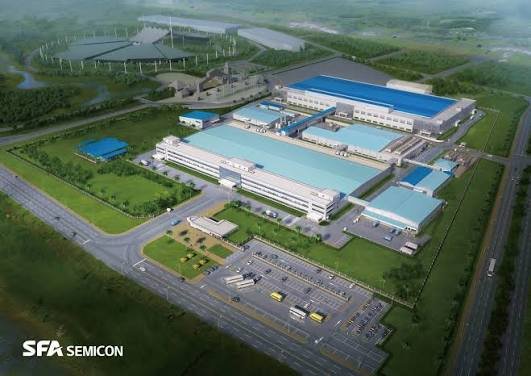
Samsung Electronics is reportedly expanding outsourced production of DDR5 memory modules, with SFA Semicon’s Philippine plant set to take on more final testing and module assembly as the Korean chipmaker prioritizes capacity for high-bandwidth memory used in AI systems.
South Korean semiconductor publication The Elec reported that SFA Semicon is transferring DDR5 testing and module-assembly equipment previously used at Samsung’s Onyang campus to its Philippine facility. The first phase is expected to begin operating in November 2026, followed by a second phase in the second quarter of 2027.
The move forms part of a wider reported shift toward outsourced production of conventional memory modules. Samsung partners Dreamtech and Hanyang Digitech are also expanding production in India and Vietnam, respectively.
Importantly, this does not mean Samsung is moving DRAM chip fabrication to the Philippines. The Philippine operation covers back-end semiconductor processes: SFA Semicon packages memory chips at its Cheonan facility in South Korea, while its Philippine plant handles final testing and assembly of the chips into memory modules.
The reported outsourcing allows Samsung to dedicate more of its own back-end capacity in South Korea to advanced packaging for high-bandwidth memory, or HBM, which is increasingly used alongside processors powering AI workloads.
Samsung said in July that demand for server DRAM, enterprise SSDs and HBM is expected to accelerate in the second half of 2026 as investment in AI infrastructure continues. The company expects memory supply to remain constrained and said it will focus on higher-value products including HBM4 and DDR5.
For the Philippines, the expansion would deepen the country’s existing role in semiconductor assembly and testing rather than establish a new front-end chip fabrication industry. It would also give the local semiconductor sector a larger role in Samsung’s supply chain for current-generation DDR5 memory as AI demand reshapes where chipmakers allocate manufacturing capacity.